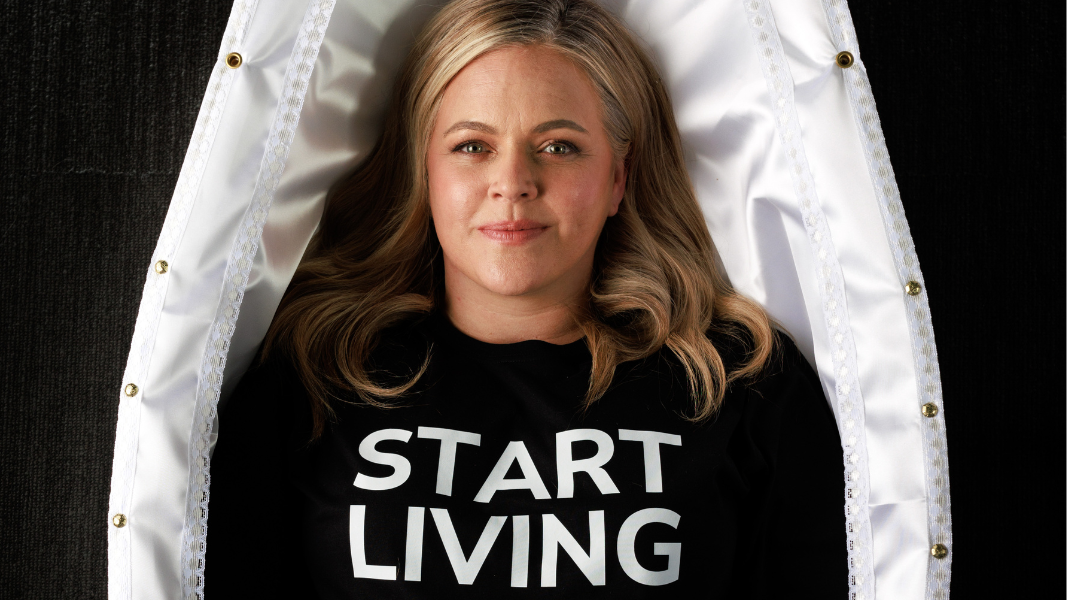



The next time you berate your changing body, remember: it’s not failure. It’s biology doing exactly what it’s meant to do. Every major shift the body moves through has a purpose, and understanding that purpose changes everything. Here’s what’s actually happening at each stage, and why your body deserves compassion and grace throughout it all.
Puberty
No wonder this stage can feel awkward. Puberty isn’t just about growing taller or getting periods — it’s a full hormonal reboot that reshapes metabolism, fat distribution, mood, bone structure, and even the brain itself. Body fat in girls needs to increase (to around 17 percent) to trigger their first period and support regular cycles (around 22 percent). Rising oestrogen adds body fat to the hips, thighs and bottom, where it stores essential fatty acids that support brain development and later help fuel pregnancy and breastfeeding. For boys, testosterone can surge up to 20 times higher in puberty, switching on the body’s ability to build muscle and strength rapidly. It’s all part of a body doing a very clever, very necessary upgrade.
Pregnancy and postpartum
Pregnancy is an extraordinary act of survival. In just 40 weeks, bodies grow an entire human while keeping everything running. Almost every system adapts: blood volume doubles so the heart pumps harder, lungs expand, kidneys filter for two, and fat stores shift to places that are metabolically safe and rich in essential fatty acids to support both the baby and future milk production. And we’re definitely not ‘bouncing back’ after birth. The body intentionally hangs onto extra fat stores to fuel breastfeeding and to keep hormones in a range that delays ovulation, giving time to recover before another pregnancy. It can take 12 months for systems to move on from the postpartum state, with this delay designed to protect mother and baby.
Perimenopause
This is the longest and most complex of these transitions, often lasting between four and ten years. The ovaries are winding down but are not finished yet, which can lead to hormone swings that affect sleep, mood, memory, metabolism and energy. At the same time, the body becomes more efficient at conserving fuel, shifting its focus to storing fat toward the abdomen where it can be accessed more quickly — a survival feature required during illness, stress or heavy caregiving. The brain is also recalibrating, trimming and rewiring connections to improve long-term efficiency. While that can feel messy at first (hello, brain fog), these changes support new priorities beyond reproduction, including leadership, mentoring and care. It’s not a decline. It’s a pivot.
Postmenopause
Humans are one of the few species where females live long past fertility — a pattern called the ‘Grandmother Hypothesis’, where older women strengthen communities through care, knowledge-sharing and stability. There is an intentional reallocation of resources from reproduction to long-term resilience, helping women remain active and engaged across generations. Once hormone levels settle, many people also notice greater emotional steadiness and mental clarity, as the brain shifts from multitasking for fertility and family to longer-term, purpose-driven thinking. So, what if we gave our bodies the same grace in later-life transitions as we do in the early ones? Because it’s not broken. It’s brilliantly, endlessly adaptive.
This is an excerpt from the Embrace magazine. Download your free copy here to find more expert advice and guidance like this.