



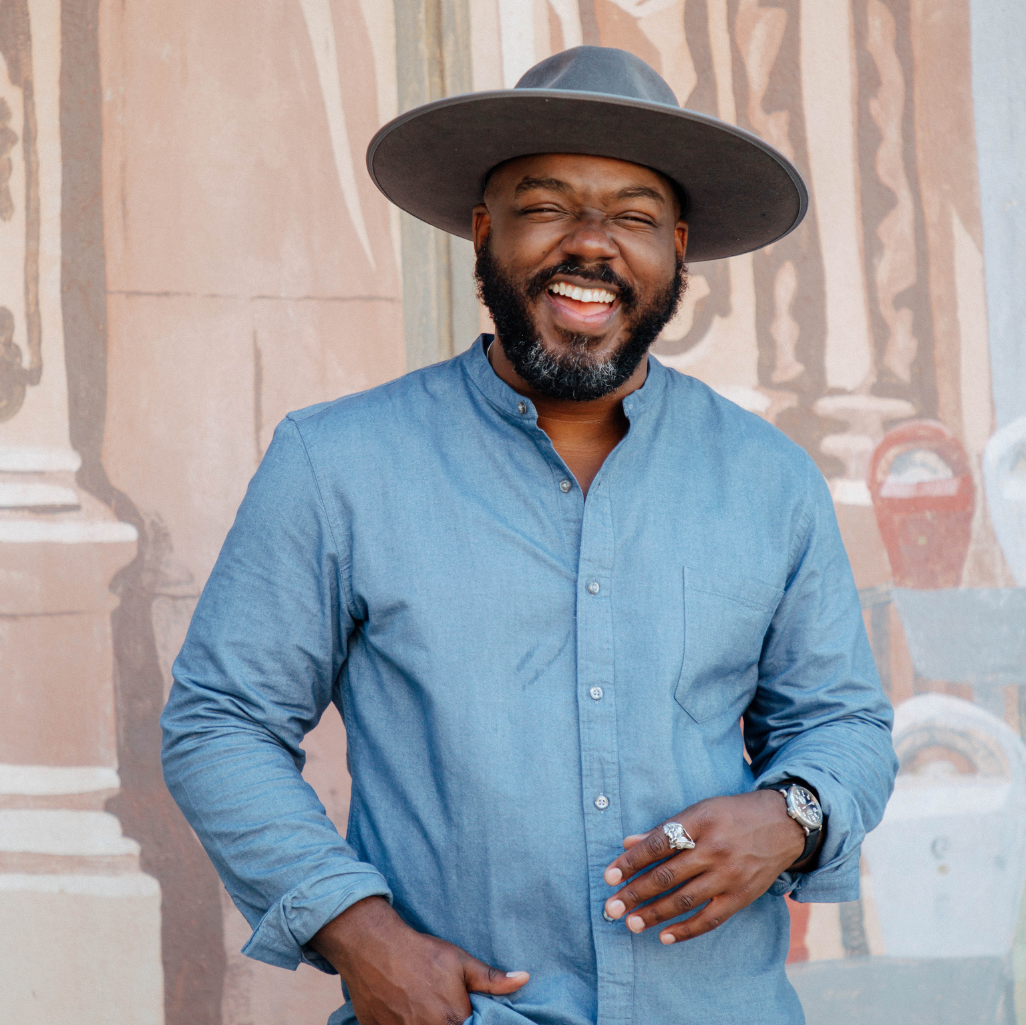
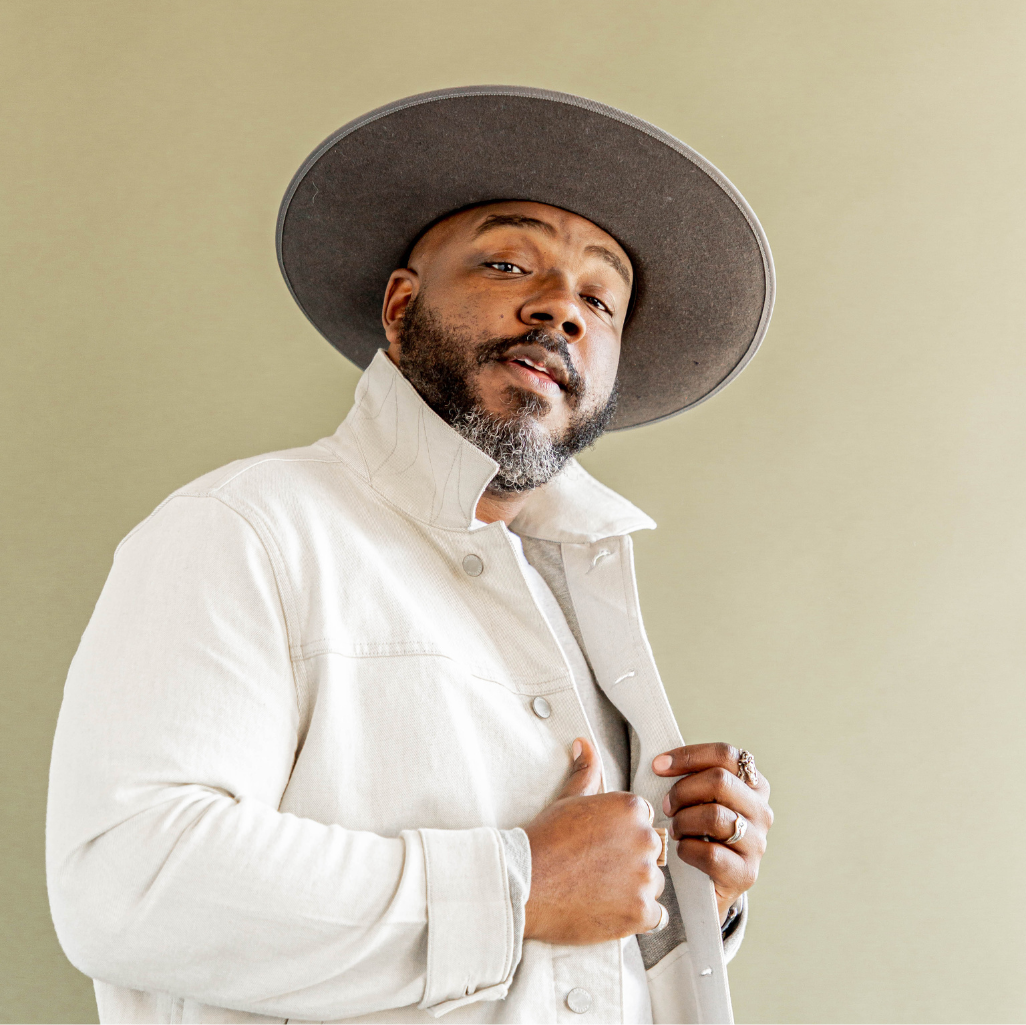
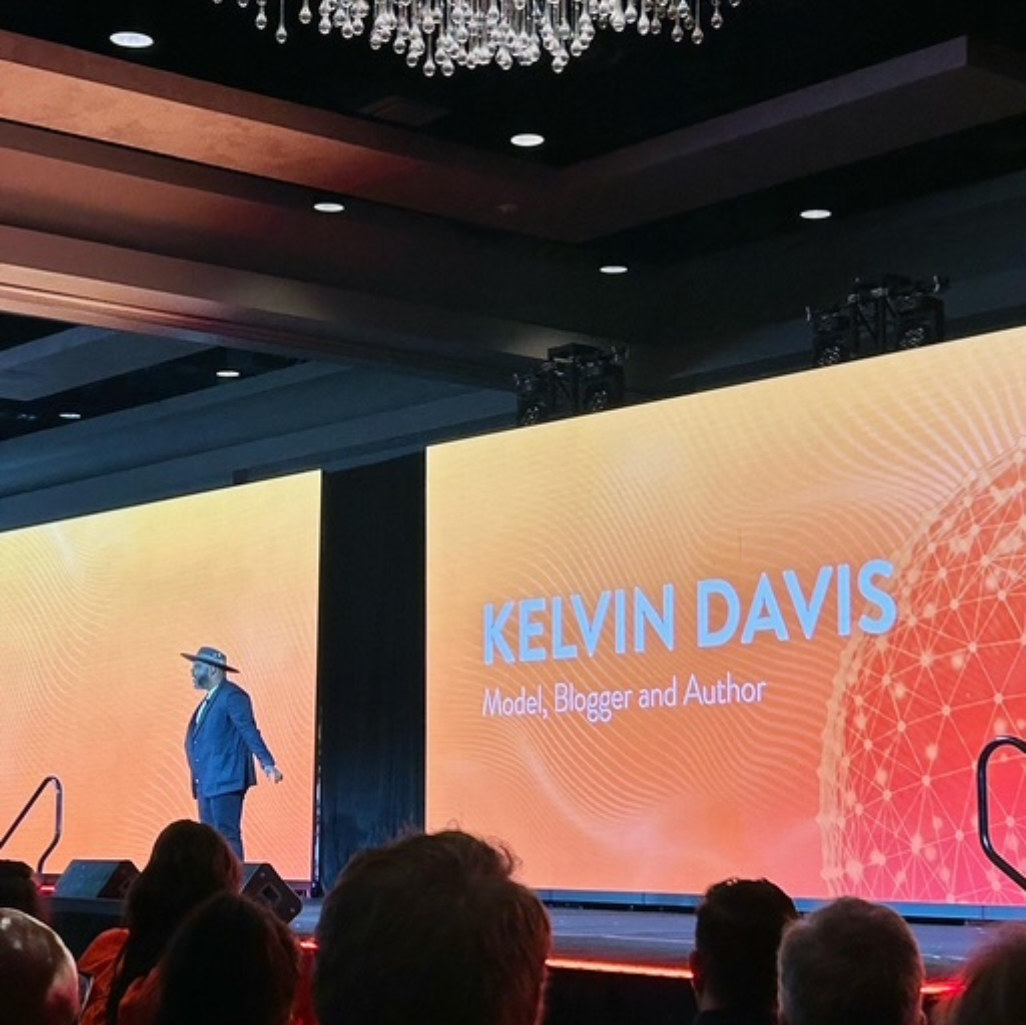
Kelvin Davis — known to many as Notoriously Dapper — has built a global platform by doing something deceptively simple: showing up exactly as he is.
Bright. Bold. Unapologetic. For a long time, that alone was revolutionary.
“I may not be the funniest guy in the room, I may not be the best looking,” Kelvin says, “but I’m always going to be the best dressed.”
It’s a line that feels light on the surface — but underneath it sits years of self-discovery, resistance, and a quiet refusal to shrink himself to fit a mould that was never made for him.
Today, Kelvin is a model, author and speaker, using his platform to expand representation in fashion and reshape how men see themselves — not just on the outside, but within.
Artistic beginnings
Before modelling and campaigns led to global recognition, Kelvin was an art teacher.
“I studied art education and taught for seven years,” he says. “During that time, I started my fashion blog to help men of all shapes and sizes feel confident in themselves.”
But his message didn’t stop there.
“I taught the same positive body image messages in the classroom — always encouraging my students to feel confident and not feel any shame about how they look.”
That role — educator, mentor, role model — still sits at the core of everything he does, with an impact that’s lasted far beyond the classroom.
“I’m still in contact with some of my students, who are now in their 20s, with kids of their own,” he says. “And they’ll tell me, ‘I still use what you taught me — it’s helped me become a better man.’ I love hearing that … because that’s the whole point, right?”
Kelvin didn’t just teach art — he reshaped belonging, helping boys build confidence and a stronger sense of self in spaces they hadn’t always felt welcome.
When he stepped into coaching football alongside teaching, something shifted. Many boys initially joined his art class, drawn in by how he connected the game to creativity. But once they were there, they stayed and began to see themselves differently.
His classroom quickly filled with young men who might never have otherwise chosen art. What started as curiosity grew into pride, expression and a genuine sense of belonging — something his principal noted they hadn’t seen before, particularly among young Black boys.
Kelvin recognised the opportunity in that shift, weaving life skills into both the classroom and the field. For many of these boys, the impact went far beyond art — shaping how they saw themselves, their confidence, and what they believed was possible.
Wearing it with pride
For all the impact he was having in the classroom, Kelvin’s path into fashion wasn’t planned — it was sparked by a moment he still carries with him. After graduating, he went shopping for clothes for his first teaching role and spotted a blazer he couldn’t ignore — “bright stop sign red … it was gorgeous.”
But when he asked for his size, the response stopped him cold. The sales assistant told him he was “too fat to shop there.”
It was the first time he’d been publicly body shamed, and it hit hard. Kelvin describes an overwhelming sense of sadness, questioning himself in a way he hadn’t before. “Like, dang … maybe I really am too fat to shop here.”
Instead of letting that moment define him, it shifted something deeper. He began to think about all the other men who might be feeling the same way — navigating body image struggles without the language or space to talk about it.
“I thought to myself … there’s probably a lot of guys out there that suffer from body image issues the same way that I am right now.”
That realisation revealed a clear gap and a real sense of purpose. “For me, creating a blog about fashion was going to be in vain if I didn’t have a message.”
So he built something intentional — an online platform grounded in inclusion, confidence and representation. A space where men could see themselves reflected, often for the first time.
“It had to be body positive … it had to have a meaning,” he says. And importantly, it had to speak to the men who were so often left out of the conversation. “I can talk to the guy that is having trouble with his weight … I can talk to the Black man that doesn’t really know how to speak about it.”
That clarity and honesty is what transformed a simple blog into something much bigger.
Style as self-expression
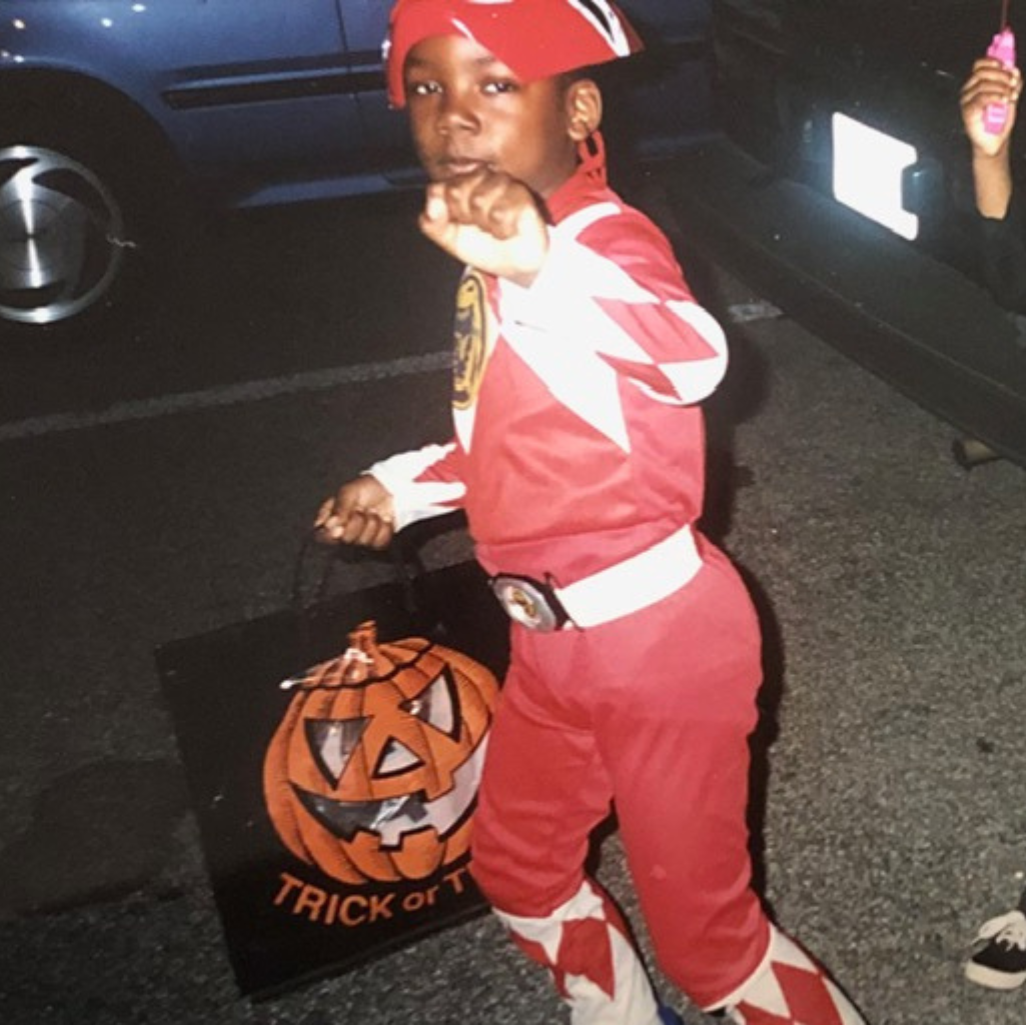
For Kelvin, fashion has always been tied to confidence. He still remembers being 10, tracking down a lime green shirt and wearing it on repeat — simply because he loved it.
That instinct has stayed with him. “I’ve always been confident because of the way that I dress,” he says — a mindset that’s grown over time into a belief that he can show up as his best self, wherever he goes.
His advice is simple and grounded. He encourages men to focus on what works for them — dressing for functionality, styling for personality, and understanding their true size, because “fit is everything.” From there, it’s about giving yourself permission to try — to experiment with colour, detail and expression, even if it feels unfamiliar at first.
A confident step forward
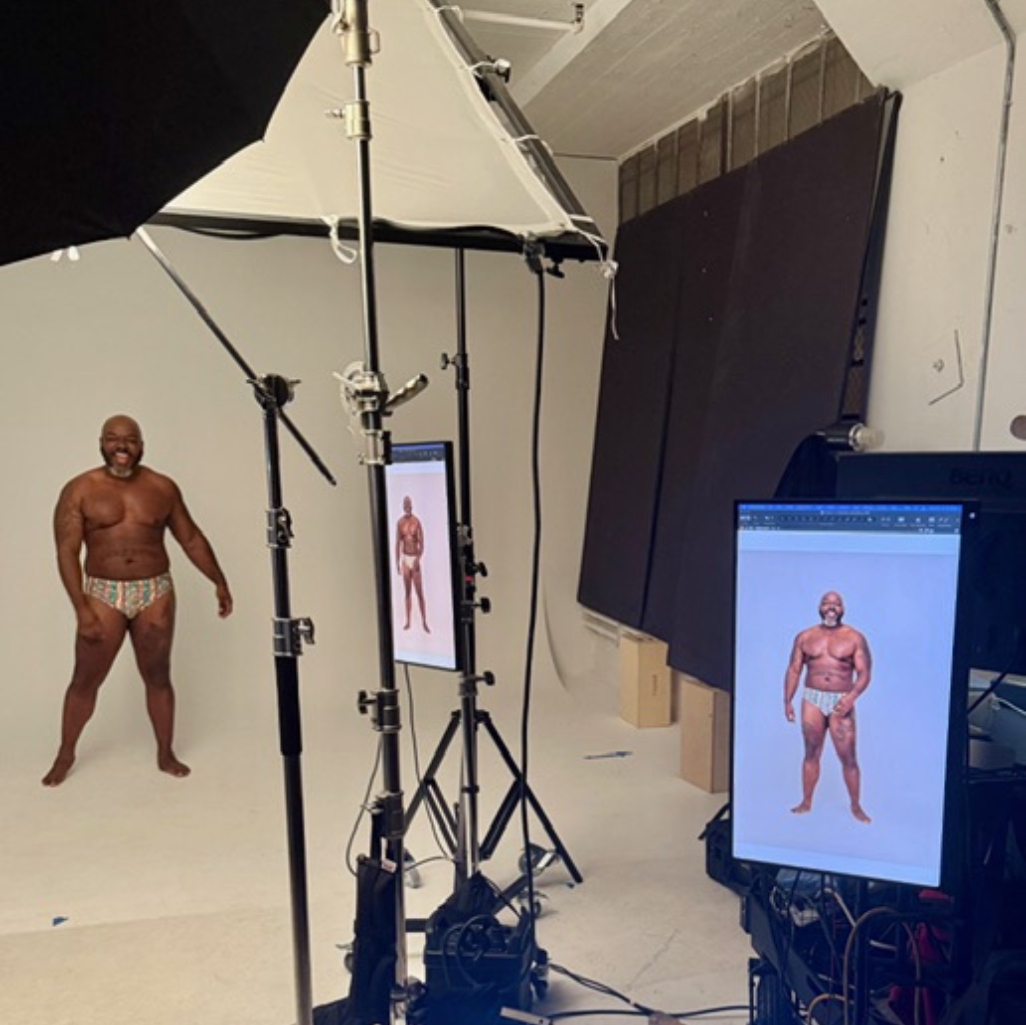
As his blog took off, so did his modelling career. Kelvin became the first Black ‘Big and Tall’ model for Target and Gap and found himself torn between the classroom and a growing platform beyond it.
“I was caught in this middle ground… I had my students in the classroom, but they would also see me on these signs,” he says. For those students, it was powerful seeing their teacher go after his own dream in real time.
But as opportunities grew, so did the time he was spending away from school. And then came a moment that stayed with him. One of his students, Precious, gently reflected his own words back to him: if he was always encouraging them to chase their dreams, why wouldn’t they encourage him to do the same?
“I’m not gonna lie to you… I shed a couple tears,” he says.
In that moment, everything came full circle. As Kelvin puts it, that sense of reciprocity showed him he’d done what he set out to do — and it was time to step into what came next.
That same belief now sits at the heart of his work. “Visibility is everything. Representation is everything,” he says — not just for what people see, but for what it creates. It builds hope, connection and a sense of belonging that many haven’t felt before.
He sees it in the people who stop him, particularly Black mothers who tell him how powerful it is to see someone who looks like their brothers, their sons, their family reflected back in fashion.
As Kelvin says, that kind of visibility gives people hope “that no matter where you come from, you can make your dreams a reality.”
Because when that confidence is missing, it doesn’t stay contained — it shows up everywhere. And in a world that can feel increasingly divided, Kelvin keeps coming back to what matters most: “we’re more alike than we are different.”
A dad, always
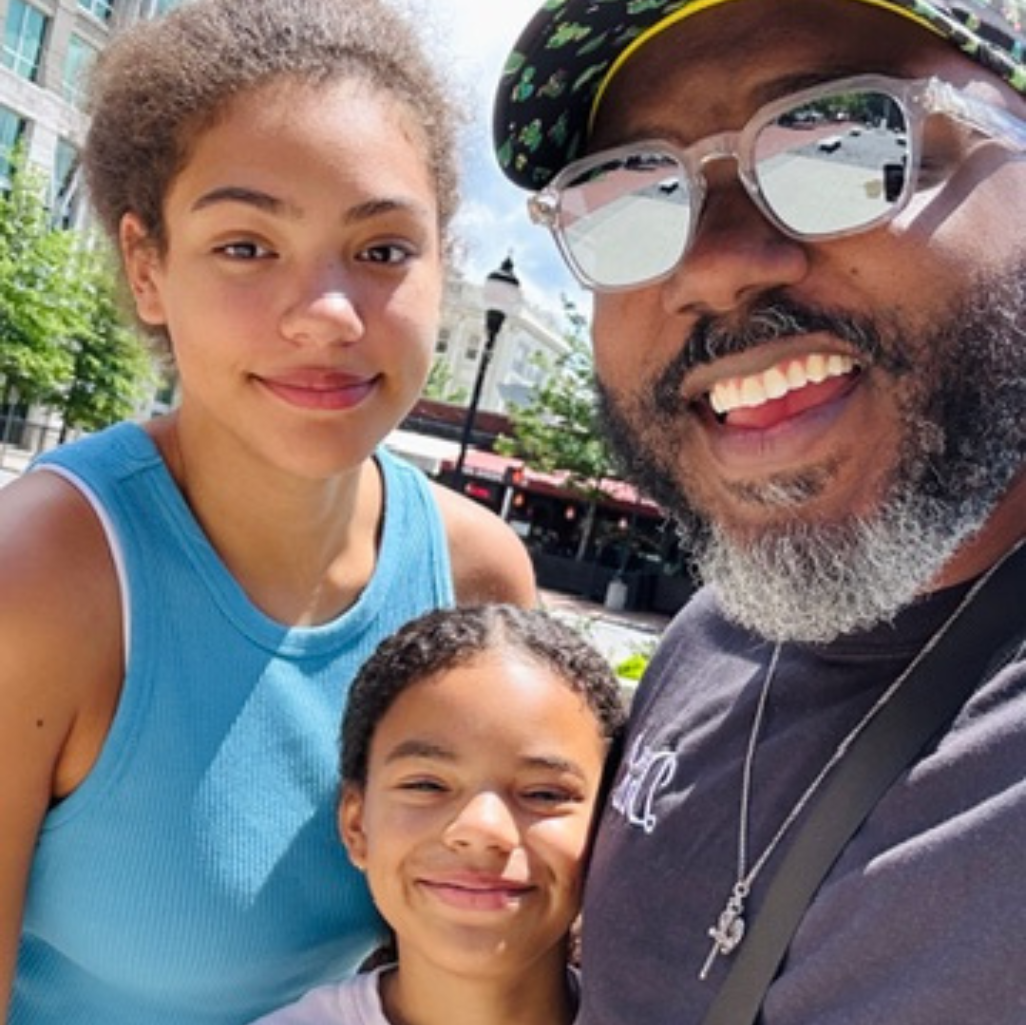
At the centre of Kelvin’s world — and his “why” — are his two daughters, now 15 and 11. Everything he does comes back to them. That focus sharpened even further when he was diagnosed with type 2 diabetes.
“I had a lot of family members that died from complications… so it was very important for me to get that under control so I could live a long life for both of my girls,” he says.
But he knows that even the strongest foundation at home can be undone by the outside world.
“No matter how much your parents pour love into you … if magazines and media are always telling you that you’re not worthy, you’re eventually going to still feel that way.”
So while he lives and breathes fashion, his passion has never just been about clothes.
“If my daughters were in front of me right now… the one thing I would change is the societal standard of beauty.”
Kelvin’s work is laser-focused on how people feel in their bodies — and what that unlocks.
“If everybody can just be confident in who they are … we will have more happiness,” he says. “People will show up better. People will do better.”
You can connect with Kelvin on Instagram.